

Image courtesy of UpToDate
Feeling a bulge in your vagina? Overactive bladder? Leaking pee? If you’re experiencing any of these issues, or other discomfort in your pelvic floor, you’re not alone and you don’t have to just “deal with it”– Valley’s Urogynecology Clinic is here to help.
Our urogynecology providers offer females of all ages cutting edge diagnostic and treatment options, both surgical and non-surgical, to help them return with confidence to their normal activities. To get a better idea of when and why a patient might want to schedule an appointment, we sent over 5 questions to the urogynecology team.
- What does a urogynecologist do? How are urogynecologists different from urologists or gynecologists?
- A gynecologist treats conditions related to the female reproductive system including menstrual issues, sexually transmitted infections (STI), Pap smears, yeast infections, occasional urinary tract infections (UTI), uterine fibroids, ovarian cysts, and hormonal issues.
- A urologist can see both male and female patients, and treats issues specifically relating to the bladder and urethra such as frequent UTIs, interstitial cystitis, and over active bladder.
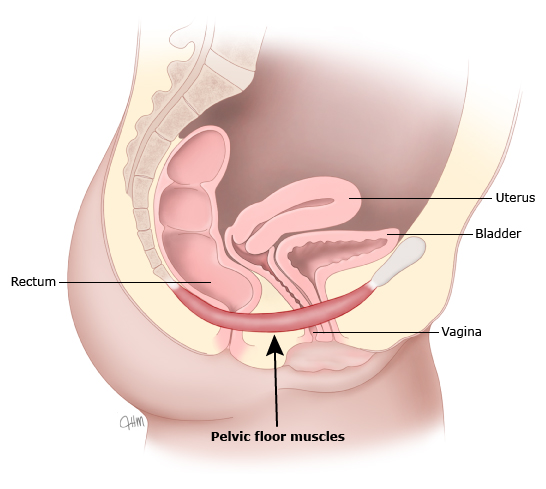
- A urogynecologist treats females with specific conditions affecting the bladder, urethra, uterus, and vagina, including interstitial cystitis, over active bladder (40% of women 20-40 have this), urinary incontinence, prolapsing uterus and/or bladders (cystocele/ rectocele/ enteroceles), and frequent urinary tract infections or bladder infections.
- Why might I want to schedule an appointment with a urogynecologist?
If you have any of the following, seeing a urogynecologist might be right for you:- If you feel a bulge or a fullness within your vagina
- If you have difficulty urinating; either starting or stopping, or controlling your flow
- If you have frequent UTIs, nighttime urinations, need to wear a pad
- If you have a pessary and need help cleaning it
- I’ve heard the term “prolapse” before. What does it mean, how does it occur, and how is it treated?
A prolapse is when an organ, in our case the uterus or bladder, begins to sag out of its natural position. Depending on the type it can be called a cystocele, rectocele, and/or an enterocele. For women, this means that it comes down into the opening of the vagina. This happens for a number of reasons such as aging, giving birth vaginally, or chronic straining of muscles.
Patients have described it as feeling a “large bump” or fullness in the vagina. It can be painful or sensitive, and if irritated enough, can cause bleeding. Others have noticed that it causes recurring infections. If the bladder is prolapsing, it can even cause problems with urinating. There are surgical and non-surgical treatment options that our providers can discuss with you. - I sometimes leak pee. Is this normal?
Unfortunately, it is common–1 in 3 people over 40 report having some level of urinary incontinence — but that’s why we’re here! There are options for treatment and help that can be given, so you don’t have to wear pads or change your clothes. Things like physical therapy, medications, surgery, pessaries, and stimulators that can all help with various conditions, so you don’t have to suffer embarrassing situations.
Urination is another function of the body that can cause social embarrassment, as well as serious infections. If you’ve seen your primary care doctor or even your OB/GYN for frequent urinary issues and you don’t feel like you’re getting better, ask for a referral. We’re happy to help. Most women think this is just something they have to deal with as they get older. It’s not. As we age, our tissues get thinner and weaker, but we’ve seen patients who are 20 and patients who are 94. Women typically wait about 6.5 years before asking for help; that’s too long! If you’re experiencing even minor incontinence, don’t wait until it gets worse. - Anything else you’d like to share about urogynecology?
- We don’t manage painful sex! (Though if you are having pain during intercourse, please schedule an appointment to discuss with your PCP or gynecologist).
- We have an all-female staff that are happy to help!
How to schedule
If you think a urogynecology appointment is right for you, ask your PCP or OB/GYN for a referral to the Urogynecology Clinic. The clinic is located on Valley’s main campus in the Medical Arts Center building, suite 430. The clinic number is 425.690.3474.
Content for this article is for educational purposes only and is not a substitute for professional medical advice.