

What is rheumatoid arthritis?
Rheumatoid arthritis (RA) is an autoimmune inflammatory disease, often affecting small joints like your hands, wrists, and feet.
What makes rheumatoid arthritis different from other arthritis?
Arthritis is a general term for conditions that affect the joints and surrounding tissues. There are dozens of types of arthritis, and the most common is osteoarthritis, while rheumatoid arthritis is quite rare though the most common of the inflammatory types of arthritis. Osteoarthritis develops when joints wear down over time or from repeated use, while rheumatoid arthritis is due to immune system causing inflammation and damage in joints.
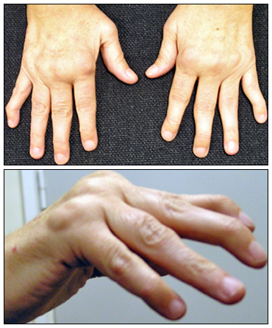
An autoimmune arthritis? What does that mean?
An autoimmune disease happens when the body’s immune system attacks its own healthy tissues. In rheumatoid arthritis, your immune system attacks your joints, causing pain, swelling, stiffness, changes in joint shape, and difficulty moving. It can also attack other parts of the body, including lungs or eyes.
What are the common symptoms of RA?
Like other types of arthritis, the main symptom of rheumatoid arthritis is joint pain and swelling. However, there are some symptoms specific to RA, such as:
- Joint stiffness typically happens earlier in the day and eases in the afternoon and pain improves with movement. Osteoarthritis tends to cause stiffness all day or toward the end of the day and worsens with movement.
- RA usually starts affecting the small joints in the fingers, the wrists, and the balls of the feet.
- RA affects joints symmetrically, meaning it affects both the left and the right side at the same time.
- People with RA may also have systemic symptoms, such as eye swelling (inflammation), anemia, subcutaneous nodules (bumps under the skin), or pleurisy (a lung inflammation). Other symptoms may include muscle aches, fatigue, depression, and losing weight without trying. However, these symptoms can also be caused by other conditions, not just RA.
How is RA diagnosed?
Diagnosis includes a physical exam, blood tests, and imaging like X-ray, MRI, or ultrasound. RA is a chronic condition and there is no cure. If you are diagnosed with RA, it is important to start treatment right away, as it can help prevent a lot of damage to your body.
Who will be on my RA care team? How is it treated?
A rheumatologist can help you determine the best treatment plan. A rheumatologist is a medical provider who has received special training in the diagnosis and treatment of autoimmune connective tissue diseases that affect the joints, blood vessels, muscles, and bones.
Treatments for RA aim to lower inflammation, ease pain and swelling, and prevent long-term joint damage. There are many different medicines, called disease-modifying antirheumatic drugs or “DMARDS.” There is not one treatment that works for all RA patients. Many patients will try more than one treatment throughout their lifetime.
Rheumatoid arthritis patients might also work with other specialists, like physical or occupational therapists, orthopedic surgeons, dietitians, and cardiologists, depending on your specific needs.
Wait, a cardiologist?
Yes, people with rheumatoid arthritis have a higher risk of cardiovascular disease, so you may have a cardiologist on your RA care team.
What should I do at home if I have RA?
- Follow up with your rheumatologist and take medications as prescribed. Notify your provider of any issues with the medication.
A MyChart account is a useful tool for communicating with your care team. - Stay active: While you might want to avoid physical activity because you are in pain, lack of activity will weaken your muscles and stiffen your joints. Talk to your rheumatologist or physical therapist about what activities you should try.
- Eat a healthy diet: People with RA are at risk of heart disease. General recommendations include avoiding fatty foods and eating lots of fruits and vegetables.
- Quit smoking: Smoking increases your risk for heart disease.
- Use ice or heat:
- Put a cold pack (a bag of frozen vegetables works too!) wrapped in a thin towel or cloth on the area that hurts every 1 to 2 hours, for 15 minutes at a time.
- Put a heating pad on the painful area for no more than 20 minutes at a time. DO NOT go to sleep with a heating pad.
How do I make an appointment at Valley’s Rheumatology Clinic for my arthritis symptoms?
Patients should have a referral from their primary care provider, preferably with current lab results with an inflammatory work-up, to ensure their symptoms are inline with rheumatoid arthritis, as opposed to osteoarthritis or other chronic pain conditions that may warrant an appointment with a different specialist. To make an appointment at Valley’s Rheumatology Clinic, call 425.690.3495 for the Renton location or 425.690.3494 for the Covington location.
Content for this article was derived from the American College of Rheumatology and the Wolters Kluwer Health Library. It was reviewed by providers at Valley’s Rheumatology Clinic.
Content in this article is for informational purposes only and is not a substitute for professional medical advice.
Learn more from our rheumatology team: