

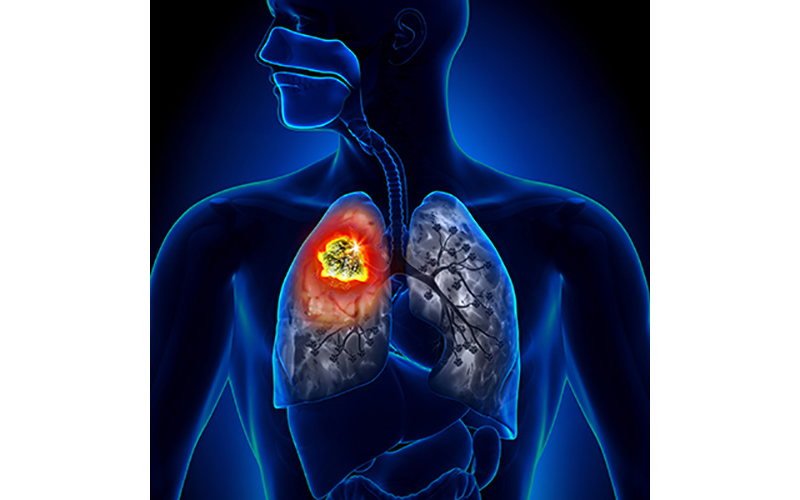
Lung cancer is the third most diagnosed cancer at Valley and is the second most common cancer in both men and women in the United States, not counting skin cancer. We sent over a few questions to Richard Kim, MD, with Valley’s Pulmonary & Sleep Disorder Clinic to learn who should be screened for lung cancer and what the screening entails.
Who should be screened for lung cancer?
Lung cancer screening is available for anyone between the ages of 50-77 with a qualifying smoking history, defined as 1 pack a day for at least 20 years, and are either currently smoking or quit within the last 15 years. These requirements were developed and regularly updated by the U.S. Preventative Services Task Force (USPSTF).
What does the screening entail? Is the screening offered at Valley Medical Center & Clinics?
Participants are offered an annual low-dose Computed Tomography (LDCT) scan. The scan takes less than 10 seconds to perform and is painless. The screen is offered at Valley Medical Center & Clinics, through our partners at Vantage Radiology.
Am I at risk if I never smoked but I lived with someone who did? Are there other non-smoking environmental factors that might put someone at risk for lung cancer?
Everyone is at risk for lung cancer. Risk factors other than smoking include second-hand smoking exposure, various environmental exposures (e.g. asbestos, radon), and a personal or family history of lung cancer. However, lung cancer screening is a covered benefit only for patients who meet USPSTF guidelines.
Some individuals chose to pay for their own screening lung cancer CT scans. Your primary care provider can provide additional guidance regarding the topic of cancer screening, and provide a referral to the pulmonary service to review your individual risk based on the latest evidence.
What can I do to reduce my risk for lung cancer?
For those who are currently smoking, quitting is the single most important thing you can do to reduce your risk for lung cancer. There is also increasing evidence that a healthy diet and regular exercise may also reduce your cancer risk.
Learn more about pulmonary care at Valley.
Content for this article is for educational purposes only and is not a substitute for professional medical advice.

I’m 81 years old, Why am I not eligible for the screening?
It’s important to get checked for lung cancer regardless of risk factors. It is one of the harder cancers to detect early when there may be more options. I was diagnosed with stage 4 non small cell lung cancer in December 2024. I’m a non smoker, don’t have a job or hobby that exposed me to known carcinogens and family cancer history only includes 1 grandparent that smoked. My oncologist has said he has seen an increase of patients like me in the past 10 years. If you have lungs, you can get lung cancer.
so how do you go about getting one? The article doesn’t say