
A cancer diagnosis changes life in an instant. Along with medical appointments, tests and treatments, patients often find themselves navigating fear, uncertainty, difficult decisions and the day-to-day challenges that cancer brings to every aspect of life.
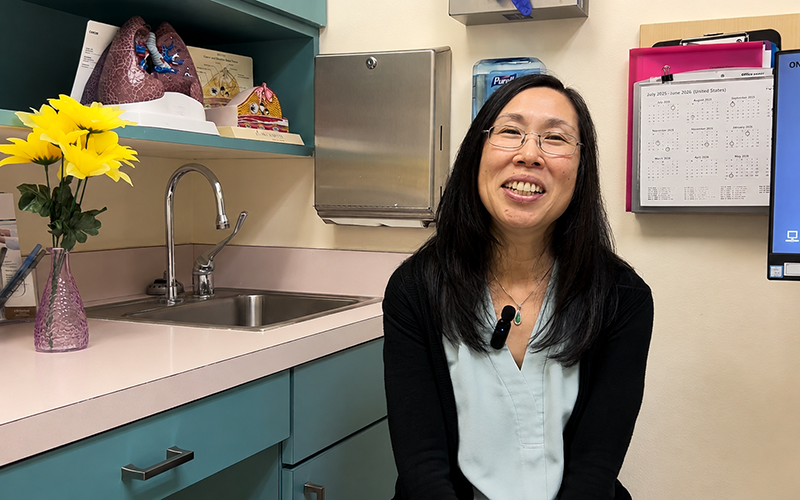
At Valley Medical Center & Clinics, our Supportive & Palliative Care team is here to ensure no one has to face that journey alone. Supportive and palliative care focuses on improving quality of life at any stage of a serious illness by helping patients manage symptoms, navigate complex decisions and receive emotional and practical support alongside their cancer treatment or treatment of other serious illnesses. We sat down with Elaine Liu, MD, Supportive & Palliative Care physician, to learn more about the role her team plays in helping patients and families through some of life’s most difficult moments.
Q: Many people hear “palliative care” and assume it means end-of-life care. What do you wish people understood?
Dr. Liu: Palliative care is specialty care that takes care of people at any stage of a serious illness, at any age, with the hope of optimizing their quality of life and being an extra layer of support during a very difficult journey.
Q: Why can a cancer diagnosis be so overwhelming?
Dr. Liu: Cancer is such a difficult disease for people to walk through. It’s not just a life-threatening disease that people have to process—they’re expected to process it very, very quickly. They’re dealing with multiple appointments, specialists, tests and procedures, while waiting for results and wondering what those results will mean.
Through all of that, they’re trying to deal with the emotional and mental impact, consider what it means for their families and jobs, and manage symptoms that can make them feel their absolute worst. It’s enormously difficult and certainly a population that can get all the help they can get.
Q: When should someone with cancer consider supportive or palliative care?
Dr. Liu: I always tell people that in order to get through something difficult, don’t do it alone. There is no reason to do it alone.
If there are any resources or people that can help make it easier, make full use of them. My role is to help relieve some of the burden of symptoms, guide people through difficult decisions, help coordinate care in a healthcare system that isn’t always easy to navigate, and help them find some comfort in thinking about the future and what that will look like for them.
Q: What does a typical appointment look like?
Dr. Liu: It depends on where that person is and what they’re dealing with. One of the greatest privileges of my job is getting to know somebody as a person and understanding what situation they’re having to deal with.
Sometimes it’s an important question that’s impacting decisions about cancer care. Sometimes they’re worried about somebody in their life, losing their job or insurance, or managing symptoms that make it difficult to get through the day. Then I get to work with my amazing team members within cancer care to hopefully direct them in the right direction.
Q: Does supportive and palliative care end when cancer treatment ends?
Dr. Liu: Palliative care is often seen as something that’s helpful toward the end of a serious illness, and it certainly can be. But it can also be very helpful through recovery and survivorship.
There are people who continue seeing me because even after cancer is in remission, there are side effects and psychological effects of cancer treatment that continue to persist. There are still symptoms, mental health concerns, and financial issues that continue beyond cancer recovery.
Q: What makes Valley’s Supportive & Palliative Care program special?
Dr. Liu: I am so privileged to work in a system where I can truly call my colleagues part of my family. It’s part of the Valley culture to have that level of accessibility and authenticity.
I can reach out to any of the oncologists or members of the cancer services team and always get a positive and helpful response. I really get the sense that everybody feels it’s their duty and an honor to help people with cancer.
Q: What would you want someone newly diagnosed with cancer to know?
Dr. Liu: I get to work with people who have walked through such difficult experiences with such grace. I want to remind everybody that you are seen, you are loved, and please don’t do this alone. If you feel like supportive and palliative care services would be a good fit for you, we would be more than happy to see you.